Everyone has his or her own idea about Anatomy of a House: Understanding the Components.
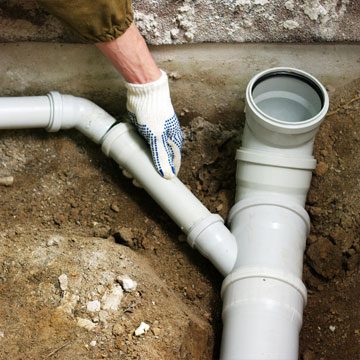
Comprehending just how your home's pipes system works is vital for each house owner. From supplying clean water for alcohol consumption, cooking, and bathing to securely eliminating wastewater, a properly maintained pipes system is essential for your family members's wellness and convenience. In this thorough guide, we'll explore the complex network that composes your home's plumbing and offer ideas on maintenance, upgrades, and taking care of usual concerns.
Introduction
Your home's plumbing system is more than simply a network of pipelines; it's an intricate system that ensures you have access to clean water and effective wastewater removal. Understanding its parts and exactly how they interact can assist you protect against pricey repair work and make sure every little thing runs smoothly.
Fundamental Parts of a Plumbing System
Pipes and Tubing
At the heart of your plumbing system are the pipes and tubing that carry water throughout your home. These can be made from different products such as copper, PVC, or PEX, each with its benefits in regards to resilience and cost-effectiveness.
Fixtures: Sinks, Toilets, Showers, and so on.
Components like sinks, commodes, showers, and bath tubs are where water is made use of in your house. Recognizing just how these fixtures link to the plumbing system assists in identifying issues and preparing upgrades.
Shutoffs and Shut-off Factors
Valves manage the flow of water in your plumbing system. Shut-off valves are important during emergencies or when you require to make fixings, permitting you to separate parts of the system without interrupting water flow to the entire house.
Water Supply System
Key Water Line
The primary water line links your home to the community water or a private well. It's where water enters your home and is distributed to numerous components.
Water Meter and Stress Regulator
The water meter steps your water usage, while a stress regulatory authority makes certain that water streams at a risk-free pressure throughout your home's plumbing system, protecting against damage to pipes and components.
Cold Water vs. Warm water Lines
Comprehending the distinction in between cold water lines, which supply water directly from the major, and warm water lines, which bring heated water from the hot water heater, helps in repairing and preparing for upgrades.
Drainage System
Drain Pipes Water Lines and Traps
Drain pipes bring wastewater away from sinks, showers, and bathrooms to the sewer or septic tank. Catches avoid drain gases from entering your home and additionally catch debris that can trigger clogs.
Air flow Pipelines
Air flow pipelines enable air right into the drain system, preventing suction that might slow drain and cause traps to empty. Correct air flow is important for keeping the integrity of your pipes system.
Relevance of Appropriate Drain
Ensuring appropriate drainage prevents back-ups and water damage. Regularly cleansing drains pipes and maintaining catches can stop expensive repairs and expand the life of your plumbing system.
Water Heating System
Sorts Of Water Heaters
Hot water heater can be tankless or conventional tank-style. Tankless heating units warmth water on demand, while tanks store warmed water for prompt use.
Updating Your Plumbing System
Reasons for Updating
Upgrading to water-efficient fixtures or changing old pipes can enhance water top quality, reduce water expenses, and increase the worth of your home.
Modern Pipes Technologies and Their Benefits
Check out innovations like clever leak detectors, water-saving bathrooms, and energy-efficient hot water heater that can save money and lower environmental impact.
Cost Considerations and ROI
Determine the ahead of time expenses versus lasting savings when taking into consideration plumbing upgrades. Lots of upgrades spend for themselves through minimized utility costs and less repairs.
How Water Heaters Connect to the Pipes System
Recognizing how water heaters link to both the cold water supply and hot water distribution lines helps in detecting issues like insufficient hot water or leakages.
Upkeep Tips for Water Heaters
Consistently flushing your water heater to eliminate debris, inspecting the temperature level setups, and inspecting for leaks can expand its life-span and boost energy efficiency.
Usual Plumbing Issues
Leaks and Their Causes
Leaks can happen because of aging pipes, loose fittings, or high water pressure. Attending to leaks immediately avoids water damage and mold and mildew growth.
Clogs and Blockages
Blockages in drains and toilets are frequently triggered by flushing non-flushable products or an accumulation of grease and hair. Making use of drainpipe displays and bearing in mind what goes down your drains pipes can protect against obstructions.
Indicators of Plumbing Issues to Look For
Low water pressure, slow drains pipes, foul odors, or abnormally high water costs are indicators of potential pipes problems that should be addressed without delay.
Plumbing Upkeep Tips
Normal Examinations and Checks
Arrange annual plumbing inspections to capture concerns early. Try to find signs of leaks, deterioration, or mineral accumulation in faucets and showerheads.
DIY Maintenance Tasks
Straightforward jobs like cleaning faucet aerators, looking for commode leaks making use of dye tablets, or shielding exposed pipes in cool environments can avoid major pipes concerns.
When to Call a Professional Plumbing
Know when a pipes problem requires professional proficiency. Trying complicated repairs without correct understanding can bring about more damages and greater repair prices.
Tips for Minimizing Water Use
Basic practices like taking care of leaks without delay, taking much shorter showers, and running complete loads of washing and dishes can preserve water and reduced your utility costs.
Eco-Friendly Pipes Options
Think about lasting plumbing products like bamboo for flooring, which is durable and environment-friendly, or recycled glass for countertops.
Emergency situation Readiness
Steps to Take Throughout a Plumbing Emergency situation
Know where your shut-off shutoffs are located and just how to turn off the water system in case of a burst pipeline or major leak.
Relevance of Having Emergency Situation Get In Touches With Convenient
Keep call information for local plumbing technicians or emergency situation services conveniently available for quick action throughout a plumbing situation.
Ecological Effect and Preservation
Water-Saving Components and Home Appliances
Mounting low-flow taps, showerheads, and toilets can dramatically decrease water usage without giving up performance.
DIY Emergency Fixes (When Relevant).
Temporary repairs like making use of duct tape to spot a dripping pipe or placing a container under a trickling faucet can lessen damages till a professional plumbing shows up.
Verdict.
Comprehending the makeup of your home's plumbing system equips you to keep it successfully, conserving time and money on fixings. By following routine maintenance routines and staying notified concerning modern-day pipes technologies, you can ensure your pipes system runs successfully for several years to come.
The Anatomy of Your Home s Plumbing System
Understanding the anatomy of your home s plumbing system is essential for any homeowner. It not only helps in identifying potential issues but also facilitates effective communication with professionals when repairs or upgrades are needed. Your home s plumbing system is more than just pipes and faucets; it s a complex network that ensures the efficient and hygienic flow of water in and out of your house. In this blog, we ll dissect the crucial components of your home s plumbing system. For those in Antelope Valley, Brock Plumbing is your trusted partner for all your plumbing needs, ensuring your system functions smoothly and efficiently.
Water Supply System
Main Water Line: This is where your home s plumbing system begins. The main water line connects your home to the public water supply or a private well. Pipes and Shut-off Valves: Pipes distribute water throughout your home. Shut-off valves are crucial for controlling the flow of water and making repairs without shutting off the entire system. Drainage System
Drain Pipes: These pipes carry waste and water away from sinks, toilets, and showers. Vents: Vents allow sewer gases to escape and help maintain proper pressure in the drainage pipes, ensuring efficient flow of wastewater. Traps: Every fixture has a trap, a U-shaped pipe that holds water and prevents sewer gases from entering your home. The most common is the P-trap under sinks. Fixtures and Appliances
Fixtures and appliances are the most interacted with parts of your plumbing system. They include sinks, toilets, showers, dishwashers, and washing machines. Each fixture and appliance has its own supply and drainage connection, ensuring they receive clean water and can dispose of wastewater effectively.
Water Heating System
Your water heater is a crucial component, providing hot water to various fixtures and appliances in your home. It can be tank-based or tankless, with each type having its own set of advantages and maintenance requirements. Regular maintenance is essential to ensure efficient operation and extend the lifespan of the unit.
Sump Pump
In areas prone to flooding or with high water tables, a sump pump is an essential part of the plumbing system. It s installed in the lowest part of your basement or crawlspace and pumps out water that accumulates, preventing flooding and protecting your home from water damage.
Septic System
Homes that are not connected to a municipal sewer system have a septic system and an underground wastewater treatment structure. Understanding how to maintain your septic system is crucial to prevent backups, odors, and early system failure.
Conclusion
Your home s plumbing system is a complex and essential network, ensuring the efficient and hygienic flow of water in and out of your property. Understanding its key components helps in maintaining it properly and identifying issues before they escalate into major problems. For residents in Antelope Valley, Brock Plumbing is dedicated to providing top-notch services, ensuring that every part of your plumbing system is in perfect working order. Trust our team of professionals to handle all your plumbing needs, ensuring your home remains comfortable, safe, and well-maintained.
https://brockplumbinganddrains.com/blog/the-anatomy-of-your-homes-plumbing-system/
Hopefully you enjoyed reading our piece on Anatomy of a House: Understanding the Components. Thanks a ton for finding the time to read our blog. Loved our write up? Please share it. Help others find it. Many thanks for your time invested reading it.
Book A Free Estimate