Everybody is bound to have his or her own opinion when it comes to Anatomy of a House: Understanding the Components.
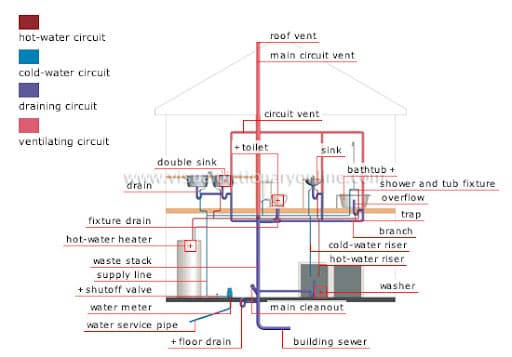
Recognizing exactly how your home's pipes system functions is important for each house owner. From delivering tidy water for drinking, food preparation, and bathing to securely removing wastewater, a properly maintained pipes system is essential for your family members's health and convenience. In this extensive overview, we'll check out the detailed network that comprises your home's pipes and deal ideas on upkeep, upgrades, and dealing with usual problems.
Introduction
Your home's pipes system is more than simply a network of pipes; it's a complicated system that guarantees you have access to clean water and reliable wastewater elimination. Understanding its elements and just how they collaborate can aid you stop costly repair services and make certain everything runs smoothly.
Fundamental Elements of a Plumbing System
Pipes and Tubes
At the heart of your plumbing system are the pipes and tubing that bring water throughout your home. These can be made of different materials such as copper, PVC, or PEX, each with its benefits in regards to resilience and cost-effectiveness.
Fixtures: Sinks, Toilets, Showers, and so on.
Components like sinks, toilets, showers, and tubs are where water is made use of in your house. Understanding exactly how these components connect to the pipes system helps in identifying issues and intending upgrades.
Shutoffs and Shut-off Factors
Valves control the flow of water in your pipes system. Shut-off shutoffs are crucial during emergency situations or when you require to make fixings, allowing you to isolate parts of the system without interrupting water flow to the entire residence.
Supply Of Water System
Main Water Line
The primary water line attaches your home to the community water or an exclusive well. It's where water enters your home and is dispersed to various fixtures.
Water Meter and Stress Regulator
The water meter steps your water use, while a stress regulator ensures that water streams at a risk-free stress throughout your home's plumbing system, stopping damages to pipes and fixtures.
Cold Water vs. Warm water Lines
Recognizing the distinction between cold water lines, which supply water straight from the primary, and warm water lines, which carry heated water from the water heater, helps in fixing and preparing for upgrades.
Drain System
Drain Pipes Piping and Traps
Drain pipelines carry wastewater away from sinks, showers, and toilets to the sewer or septic system. Catches stop sewer gases from entering your home and additionally catch particles that might trigger blockages.
Ventilation Pipes
Air flow pipes enable air into the drainage system, preventing suction that can slow down drain and cause catches to vacant. Appropriate ventilation is important for keeping the stability of your pipes system.
Value of Proper Water Drainage
Making certain proper drainage protects against back-ups and water damage. Consistently cleaning up drains and preserving traps can protect against expensive repairs and expand the life of your pipes system.
Water Furnace
Kinds Of Hot Water Heater
Water heaters can be tankless or traditional tank-style. Tankless heating systems heat water as needed, while storage tanks store warmed water for instant use.
Upgrading Your Pipes System
Factors for Upgrading
Updating to water-efficient fixtures or changing old pipelines can boost water top quality, minimize water expenses, and enhance the value of your home.
Modern Pipes Technologies and Their Advantages
Check out technologies like clever leak detectors, water-saving toilets, and energy-efficient hot water heater that can conserve money and lower ecological effect.
Cost Factors To Consider and ROI
Determine the upfront prices versus long-lasting cost savings when considering pipes upgrades. Many upgrades spend for themselves with reduced utility bills and less repair services.
Just How Water Heaters Link to the Pipes System
Understanding just how water heaters link to both the cold water supply and hot water circulation lines aids in identifying concerns like insufficient warm water or leaks.
Maintenance Tips for Water Heaters
On a regular basis purging your water heater to remove sediment, examining the temperature setups, and evaluating for leaks can prolong its life-span and improve energy performance.
Usual Pipes Issues
Leakages and Their Reasons
Leaks can occur because of maturing pipelines, loose installations, or high water stress. Addressing leaks quickly protects against water damage and mold and mildew growth.
Blockages and Obstructions
Obstructions in drains pipes and bathrooms are often triggered by purging non-flushable things or a buildup of grease and hair. Using drain displays and bearing in mind what goes down your drains pipes can avoid clogs.
Indications of Pipes Problems to Watch For
Low tide pressure, sluggish drains, foul odors, or unusually high water bills are signs of prospective pipes issues that ought to be dealt with promptly.
Pipes Upkeep Tips
Normal Assessments and Checks
Schedule yearly pipes inspections to catch concerns early. Seek indications of leaks, deterioration, or mineral accumulation in faucets and showerheads.
DIY Upkeep Tasks
Straightforward jobs like cleaning faucet aerators, looking for bathroom leaks using color tablet computers, or protecting revealed pipelines in chilly climates can prevent significant plumbing concerns.
When to Call a Specialist Plumbing
Know when a pipes problem requires specialist knowledge. Trying intricate repair services without appropriate knowledge can bring about more damage and greater repair work costs.
Tips for Minimizing Water Use
Straightforward routines like repairing leakages immediately, taking shorter showers, and running complete tons of washing and dishes can preserve water and lower your utility expenses.
Eco-Friendly Plumbing Options
Take into consideration sustainable pipes materials like bamboo for floor covering, which is durable and environment-friendly, or recycled glass for countertops.
Emergency situation Preparedness
Actions to Take During a Plumbing Emergency situation
Know where your shut-off shutoffs are located and just how to turn off the water in case of a burst pipeline or major leakage.
Importance of Having Emergency Situation Contacts Helpful
Maintain contact info for regional plumbing professionals or emergency services conveniently available for fast response during a plumbing situation.
Environmental Effect and Conservation
Water-Saving Fixtures and Devices
Installing low-flow taps, showerheads, and toilets can substantially lower water use without sacrificing efficiency.
Do It Yourself Emergency Situation Fixes (When Appropriate).
Momentary fixes like making use of air duct tape to patch a leaking pipeline or placing a container under a leaking tap can reduce damages till a professional plumber arrives.
Conclusion.
Recognizing the composition of your home's plumbing system empowers you to keep it effectively, saving money and time on fixings. By complying with normal upkeep regimens and remaining notified regarding contemporary plumbing technologies, you can ensure your pipes system runs effectively for years to find.
HOW YOUR PLUMBING SYSTEM WORKS
Which Pipes Do What?
Blue lines = fresh water supply entering the building Red lines = hot water supply entering the building Grey lines = pipes carrying waste away from the building and venting pipes carrying gases away from the building (through the roof) YOUR MAIN PLUMBING SYSTEMS
There are two main plumbing systems that support your home s basic plumbing needs one that brings clean water into your home, and one that sends dirty water away from your home. Connected to the toilet, bath, shower, and other faucets in your home, these two systems keep your water flowing in the right directions.
ACCESSING FRESH WATER
Fresh and clean water is brought into your home through the main water supply line . Filtered through one pipe, this water is pressured to flow into the various fixtures in your home at any given time.
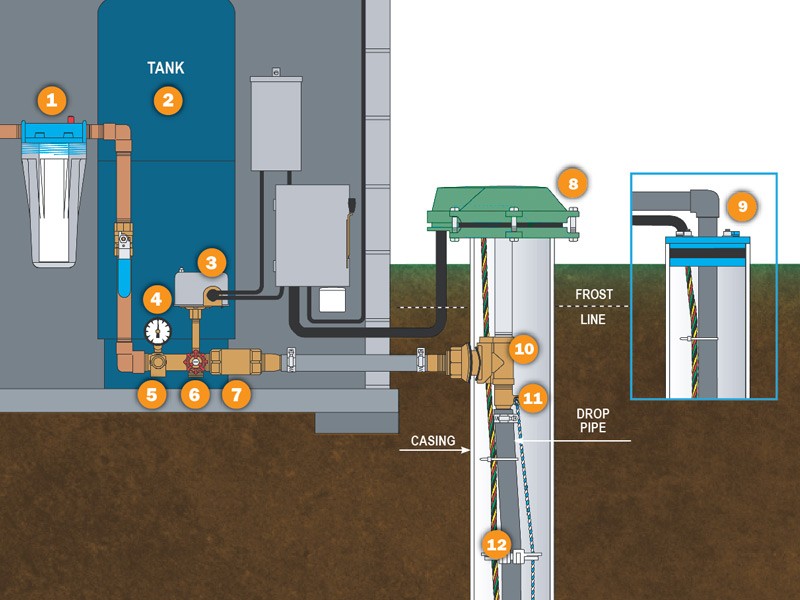
This water can be sourced from a well located on your property, a pond or river (mostly cottages), or, as in most cases, from the city s municipal water treatment centre. However, it is important to note that water that is untreated, such as the water siphoned from ponds or rivers, may not be safe to drink. Personal water supplies always need to be treated for hardness and contaminants before consumed.
MUNICIPAL WATER SUPPLIES
Improve taste and odour Remove sediment Eliminate hardness Reduce chlorine COLD WATER SUPPLY VS. HOT WATER SUPPLY
Cold water flows into your home or building through the service line, which then distributes hot or cold water to your fixtures. This line is most commonly run through a central column that runs floor to floor. Hot water runs in short and straight pipes as the longer the pipeline, the more heat that will be lost in the transfer. Having shorter pipes also allows residents to access hot water more quickly.
WASTE WATER SYSTEM
Your wastewater system is divided into two parts pipes that send wastewater away from your home and venting pipes that send sewer gas away from your home. Sewage water travels through pipes that flush the water and waste towards local sewers that are operated and managed by your city or town. Most sewer systems rely on gravity to move the wastewater to where it needs to go.
The further away from your toilet or sink, the larger wastewater pipes become. This allows for waste to be disposed of from various parts of your home or business at once without pipe blockages. The angle and flow of these pipes are also essential for keeping your waste pipes clear of build up.
https://harrisplumbing.ca/how-your-home-plumbing-system-works/
Do you appreciate reading about Exploring Your Homes Plumbing Anatomy? Put feedback directly below. We will be happy to see your thoughts about this blog post. Hoping that you visit us again before long. Feel free to take the time to distribute this blog post if you appreciated it. Thanks a lot for going through it.
Call Today